When your hearing feels obstructed, it can impact your daily schedule and leave you feeling detached from your environment. While the fear of lasting hearing damage is a common first response, the true source is frequently a simple collection of canal debris.
Understanding the distinction between earwax buildup vs. auditory loss can help you determine when a quick fix is possible and when it’s time to seek a hearing assessment. There is no need to feel overwhelmed if auditory inputs seem dampened. While only an audiologist can verify the cause, reviewing these key markers of wax vs. auditory decline can provide immediate clarity.
Recognizing the Markers of Earwax Blockage
Your ears produce wax as a natural defense process to maintain health and keep contaminants away from the eardrum. Problems occur when too much wax builds up or turns impacted.
Common signs of cerumen impaction consist of:
- Gradual or abrupt muffled hearing
- A feeling of fullness or blockage in the ear
- Ear discomfort or slight pain
- Ringing in the ear (tinnitus)
- Instances of clearer hearing after a jaw stretch or eating
A hallmark of blockage-based sound fluctuations is asymmetry, usually impacting one side more than the other. The positive aspect is that clinical removal typically results in an immediate restoration of your natural hearing levels.
What Hearing Loss Feels Like
Unlike a temporary blockage, nerve-based hearing impairment typically progresses slowly over decades and is not fixed by clearing the ear.
Common symptoms of clinical hearing impairment consist of:
- Issues with speech intelligibility in crowded or loud settings
- Often needing repetition during everyday conversation
- Turning up the television or phone volume higher than others prefer
- Difficulty hearing high-frequency sounds
- Bilateral hearing shifts that affect both ear canals simultaneously
A vital distinction is that true loss lacks the physical “plugged” sensation that accompanies a cerumen blockage.
Quick Guide: Earwax vs. Hearing Loss
A few basic indicators can help you ascertain whether you are contending with a manageable blockage or a more permanent shift:
- Onset: Earwax issues often appear abruptly; auditory impairment develops slowly
- Sustainability: Obstructions are a fast fix, while nerve loss requires long-term management
- Markers: Pressure suggests a clog; difficulty with speech clarity suggests impairment
- Symmetry: Blockages are often asymmetrical, but permanent loss is commonly bilateral
Why Professional Intervention is Crucial
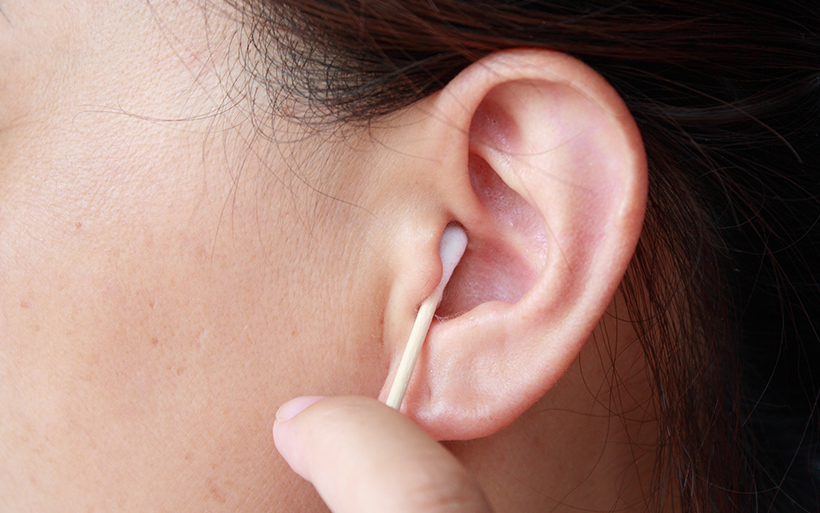
It’s tempting to presume earwax is the cause — and grab for cotton swabs or over-the-counter kits. In reality, physical probing often compacts the wax further against the tympanic membrane, making the impaction more severe.
Medical data indicates that self-cleaning often leads to unintended damage or increasingly difficult-to-treat blockages.
In the same way, neglecting early hearing loss can delay care that assists in preserving communication, security, and well-being.
What to Anticipate During a Formal Consultation
A specialist can employ an otoscope to instantly see if a physical blockage is present.
When wax is the issue, clinical flushing or manual removal delivers immediate resolution.
Should the auditory canal be clear but auditory struggles persist, an audiogram can assess if auditory impairment is identifiable and determine its type and degree.
Experts urge an immediate auditory screening if you begin struggling to communicate or navigate your surroundings.
Finding the Right Path for Better Sound Quality
Feeling as if auditory signals are muted may not necessarily signify a lasting change.
In numerous cases, cerumen accumulation is the cause, and it’s highly manageable.
Obtaining expert care ensures you locate the exact source and the right solution for your auditory requirements.
Ultimately, an expert exam is the only reliable way to distinguish between a temporary blockage and a permanent change.
Treating the concern now halts the anxiety of the unknown and puts you on the path to better auditory function.
If your auditory sense feels diminished, don’t guess. A quick check can provide all the difference, so reach out to our team of clinicians right now.