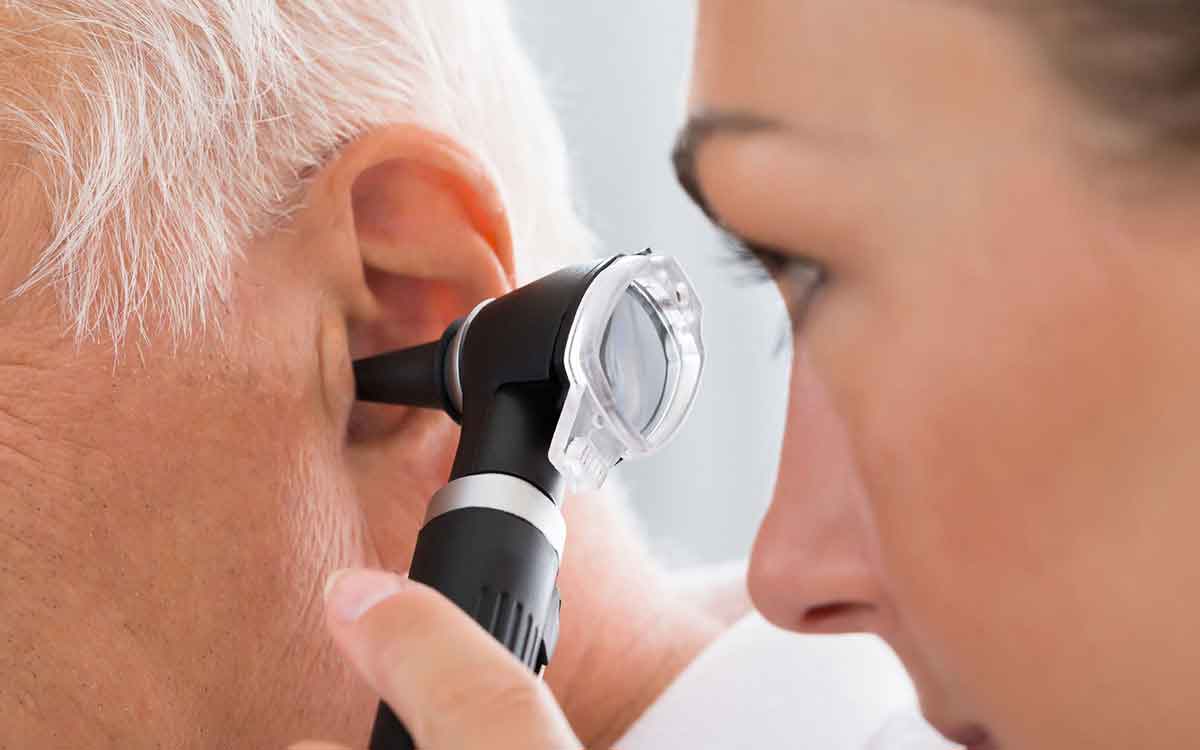
The gradual nature of hearing loss often causes preliminary symptoms to be dismissed. Many people adjust without realizing it by increasing the TV volume, asking others to repeat themselves, or avoiding crowded environments.
Seeking an initial screening facilitates efforts to preserve hearing, improve communication, and protect overall quality of life.
Recognizing Typical Early-Stage Hearing Loss Symptoms
If you experience any of the listed clinical signs, it is recommended to undergo an audiological screening.
- Difficulty understanding conversations, especially in loud areas with a lot of activity.
- A regular need of requesting clarification during daily interactions.
- Hearing indistinct vocal communication where words appear to merge.
- Setting higher volume levels for electronic devices than is typical.
- Trouble perceiving high-frequency audio, including children’s voices, birds, or doorbells.
- The occurrence of tinnitus, characterized by ringing or buzzing in the ears.
- Mental drain after social events caused by straining to follow speech.
- Withdrawing from social events as dialogue has become stressful.
Initial auditory warnings could be present in one or both ears and can fluctuate at first. Because the brain adapts quickly, many people don’t realize the extent of their subconscious adjustments until hearing loss advances further.
Statistical Overview of Global Auditory Health
Projection by the World Health Organization suggests that a vast population will need auditory rehabilitation by mid-century. Other significant statistics consist of:
- By 2050, nearly 2.5 billion people are expected to experience some degree of hearing loss.
- Over 5% of the world’s population (430 million people) necessitates rehabilitation to address disabling hearing loss.
- In excess of 1 billion young adults face the threat of permanent hearing loss due to unsafe listening practices.
- Among those over the age of sixty, over 25% have clinically significant hearing loss.
Why Timely Auditory Assessment Matters
Neglecting auditory decline can affect general health and physiological status.
Research connects hearing loss with higher incidences of social isolation, depression, cognitive decline, and balance issues.
Addressing symptoms at the onset facilitates more treatment options and improved clinical results.
Audiological testing distinguishes between noise damage, earwax buildup, or other health conditions.
Occasionally, hearing shifts are temporary and can be effectively addressed.
Alternatively, employing safety strategies or hearing technology at the onset may delay the progression of hearing loss.
Recognizing the Need for Audiology Services
A clinical hearing assessment is recommended if you experience the following:
- Clinical indicators persist for more than a few weeks.
- Auditory challenges impact work, relationships, or daily activities.
- You experience acute auditory decline, vertigo, or persistent tinnitus (this should be evaluated promptly).
Assessments for hearing are noninvasive procedures, yielding deep insights regarding your physiological hearing status.
Contact our hearing clinic today if you think you could benefit from a hearing evaluation.
Common Questions About Early-Stage Hearing Loss
Q: Is hearing loss always age-related?
A: No, while aging is a factor, hearing loss can be precipitated by acoustic trauma, infection, or systemic health issues.
Question: Are there cases where hearing loss is reversible?
A: In specific instances involving earwax or infection, hearing may be restored. While other forms are irreversible, they can usually be managed with professional treatment or hearing technology.
Q: At what intervals should I have my hearing evaluated?
Answer: Clinical guidelines suggest a baseline evaluation by the age of 50, or earlier if symptoms of hearing loss are noticed.