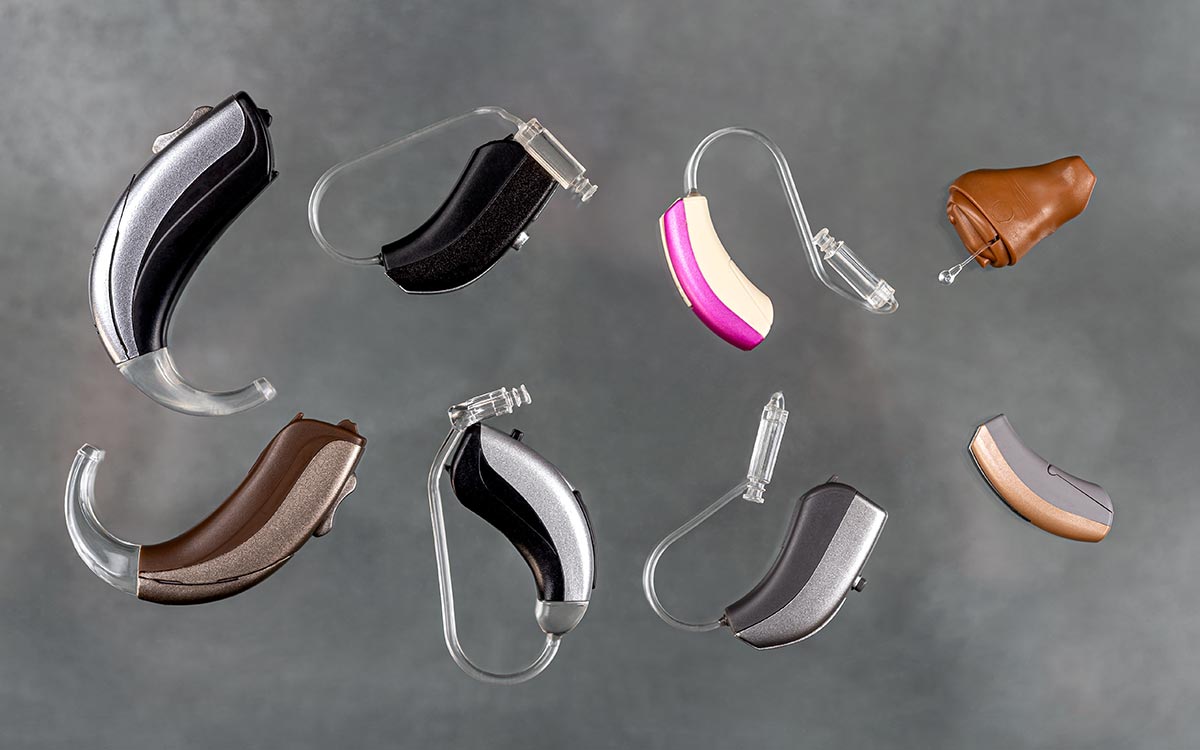
Choosing an instrument can feel daunting, especially when today’s devices come in so many styles, sizes, and technology levels. But no matter your needs, there’s a hearing solution for every lifestyle, preference, and degree of hearing loss or tinnitus. Success lies in finding the specific aid that meets your personal preferences.
By learning about the differences among various hearing aid models, you can move forward with greater confidence and knowledge. We are going to study the primary styles available today to help you understand what sets each option apart.
ITC (In-the-Canal) Hearing Solutions
What they represent:
ITC models are custom-fitted to sit within the ear canal, though a small part of the shell remains visible in the ear’s outer portion.
The Perks:
- Provides an understated look compared to traditional styles
- Tailored to the specific shape of your ear
- A useful option for those with moderate hearing needs
These devices are frequently recommended for novices due to their effective mix of subtle design and user-friendly functions.
Ultra-Discreet Invisible-in-Canal (IIC) Aids
The Idea:
As the most compact custom option, IIC aids represent the smallest available style. These devices sit so deeply inside the ear that they are nearly impossible to see.
Why individuals pick them:
- The best choice for patients prioritizing appearance
- Strategic placement enables a very organic listening experience
- So light and small that users often don’t notice they are wearing them
Because of their tiny stature, IIC devices typically work best for mild to moderate hearing loss and for those who prefer an almost invisible option.
ITE (In-the-Ear) Model Overview
Product Details:
ITE devices are built to reside in the outer ear area, offering two different shell sizes based on your anatomy. They are custom-made to fit the shape of your ear.
Value Offering:
- Larger size allows for more capabilities and longer battery life
- The physical size is easier to grip and adjust for users with fine motor concerns
- Effective for an extensive range of hearing impairments, ranging from mild to severe
The all-in-one style of the ITE design makes it a favorite for those who dislike behind-the-ear equipment.
Exploring BTE (Behind-the-Ear) Designs
Technical Data:
A BTE hearing aid is placed externally behind the ear for an optimal fit. Audio travels through a dedicated tubing or custom-fit mold into the ear opening.
Reasons for Choosing:
- Offers an enduring and flexible solution for various environments
- Function for almost all degrees of hearing loss
- Big enough to house sophisticated software and modern rechargeable technology
BTE devices are a wonderful choice for individuals seeking reliability, ease of use, and strong amplification.
The RIC Style Analysis
Design Specs:
RIC hearing aids look similar to BTE models, but the speaker (receiver) sits inside the ear canal rather than inside the device behind the ear.
Why users choose them:
- Provides an exceptionally clear and lifelike listening experience
- Compact, lightweight, and comfortable
- A versatile solution that works for various degrees of auditory needs
The combination of style and high-end performance makes RIC models a top choice in the modern market.
Extended-Wear Hearing Aids
Operational Info:
These devices are inserted deep in the ear canal by a hearing professional and can stay in place for several weeks at a time.
Why individuals select them:
- Zero daily insertion or removal
- Offers a 100% covert solution for hearing health
- Engineered to be worn throughout everyday activities, including sleeping and exercising
For a “hands-off” approach to hearing assistance, extended-wear technology is the top recommendation.
Connected Wireless Solutions
Operation:
Connectivity-focused hearing aids that use radio to integrate with your digital life.
Modern Benefits:
- Turn your hearing aids into wireless earphones for all your favorite audio
- Modify settings via a mobile tool
- Improved convenience for modern lifestyles
Bluetooth options are accessible across many styles, including RIC, BTE, and some ITC models.
Understanding Middle-Ear Implant Systems
Design Layout:
Middle-ear implants are specialized instruments that employ mechanical vibration to enhance hearing via the middle ear.
Who they are for:
- Choice for those who cannot use traditional hearing aids
- Ideal for users who experience persistent irritation from standard molds
Candidates for middle-ear implants must undergo a comprehensive evaluation by an expert specialist.
Finding the Hearing Aid That Fits Your Life
Since each hearing aid design has distinct strengths, the best choice is based on your specific hearing needs, your daily activities, and your aesthetic goals. A hearing care professional can guide you through your options, answer questions, and help you experience how different devices look and feel.
If you’re prepared to explore the possibilities, schedule a hearing evaluation today. Your future of assured communication starts with this first evaluation.
Sources:
https://www.mayoclinic.org/diseases-conditions/hearing-loss/in-depth/hearing-aids/art-
20044116
https://www.hearinglife.com/hearing-aids/types
https://www.nidcd.nih.gov/health/hearing-aids