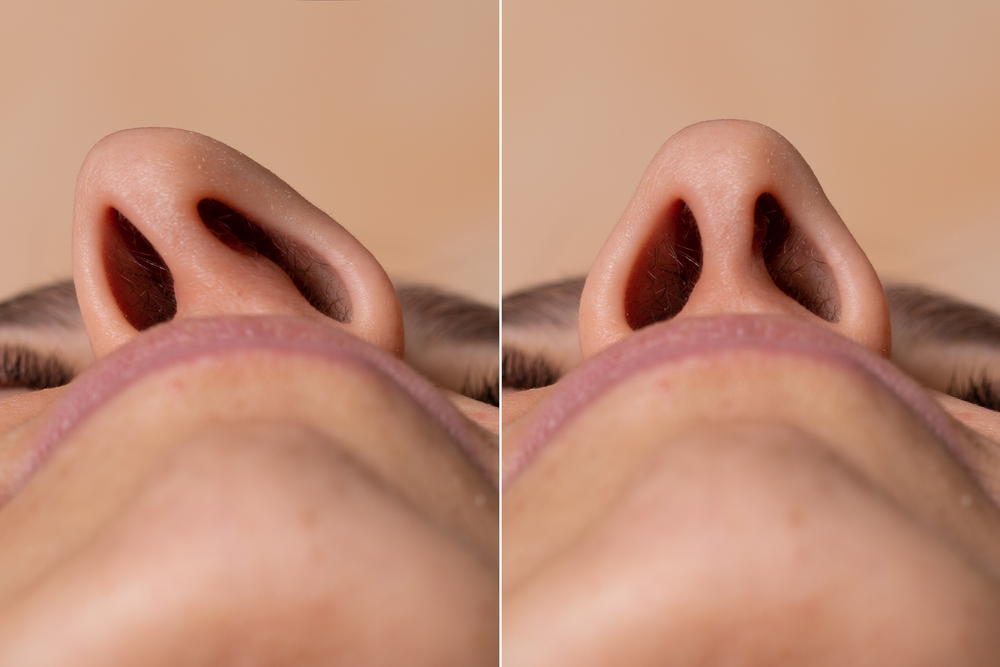
If one side of your nose seems to function less effectively than the other, numerous people face the same challenge. A deviated septum is a widespread issue that impacts respiration, rest, and general wellness, frequently going undiagnosed while causing persistent symptoms.
By learning the symptoms associated with a deviated septum, you can better judge when to seek specialized medical care.
Understanding the Anatomy of a Deviated Septum
The thin barrier composed of bone and cartilage that separates your nostrils is known as the septum. Ideally, it sits in the center of your nose. When this partition leans to one side, it results in what is known as a deviated septum.
A nasal deviation can be a congenital condition present at birth or the result of a later nasal injury. Slight shifts in the septum may go unnoticed, but significant deviations can severely restrict nasal breathing.
Standard Indicators of a Deviated Septum
The presence of a nasal shift alters nasal airflow, resulting in a collection of signs that range from mild to intense.
Obstruction of the Nasal Airway
Most patients report that breathing through one or both sides of the nose feels restricted. You may notice:
- A persistent sensation of being stuffed up
- Noticeably clearer airflow on a single side
- Obstructions that become more severe during congestion or allergy season
Long-Term Congestion Issues
Unlike temporary congestion from a cold, congestion caused by a structural issue often:
- Does not resolve with the changing seasons
- Doesn’t fully respond to allergy medications
- Feels structural rather than inflammatory
Sleep Disruptions and Snoring
Limited nasal breathing often results in:
- Regular snoring patterns
- Resorting to oral breathing during sleep
- Disturbed or non-restorative sleep
Clinical evidence suggests that a nasal shift can make sleep-related breathing challenges more severe.
Incidents of Chronic Nosebleeds
When airflow is uneven, a specific side of the nose may become dry and irritated. This condition often elevates the risk for:
- Frequent nosebleeds
- Discomfort from internal nasal scabs
- Nasal discomfort
Comparing Allergic Symptoms to a Deviated Septum
Symptoms of the deviation often mimic allergies, making it important to understand the distinct causes.
Deviated septum symptoms:
- Typically occur on one side
- Do not fluctuate with the time of year
- Fails to resolve with standard allergy pills
Signs of an Allergic Reaction:
- Generally cause congestion across the entire nose
- Frequently involve watery eyes and a runny nose
- Typically respond well to standard treatments
A combination of allergies and a deviated septum can lead to a severe increase in symptom intensity.
When to Address Your Deviated Septum
Consider scheduling an evaluation with an ENT if:
- Blocked breathing affects daily breathing
- Rest and snoring issues start to affect your health
- You experience frequent nosebleeds
- Over-the-counter meds provide no relief for your stuffiness
- Symptoms interfere with quality of life
Seeking clinical advice helps differentiate between structural blocks and inflammatory responses.
Is Septoplasty Right for Your Deviated Septum?
To reestablish normal breathing, a surgical procedure called septoplasty is used to align the septum. Doctors recommend this surgery for patients whose symptoms do not improve with less invasive treatments.
Undergoing Septoplasty often leads to:
- Significantly enhance nasal airflow
- Clear away chronic nasal stuffiness
- Improve the sleep environment by stopping snoring
- Minimize the occurrence of nasal bleeding
An ENT can help determine whether septoplasty is appropriate based on your symptoms, anatomy, and overall health.
Overcoming the Challenges of a Deviated Septum
A deviated septum is common and treatable. The first move toward feeling better is recognizing that a structural issue may be causing your sleep and breathing problems.
Our team is here to pinpoint the cause of your discomfort and provide solutions that restore your well-being. Contact us now to schedule your appointment and start your journey toward clearer breathing.