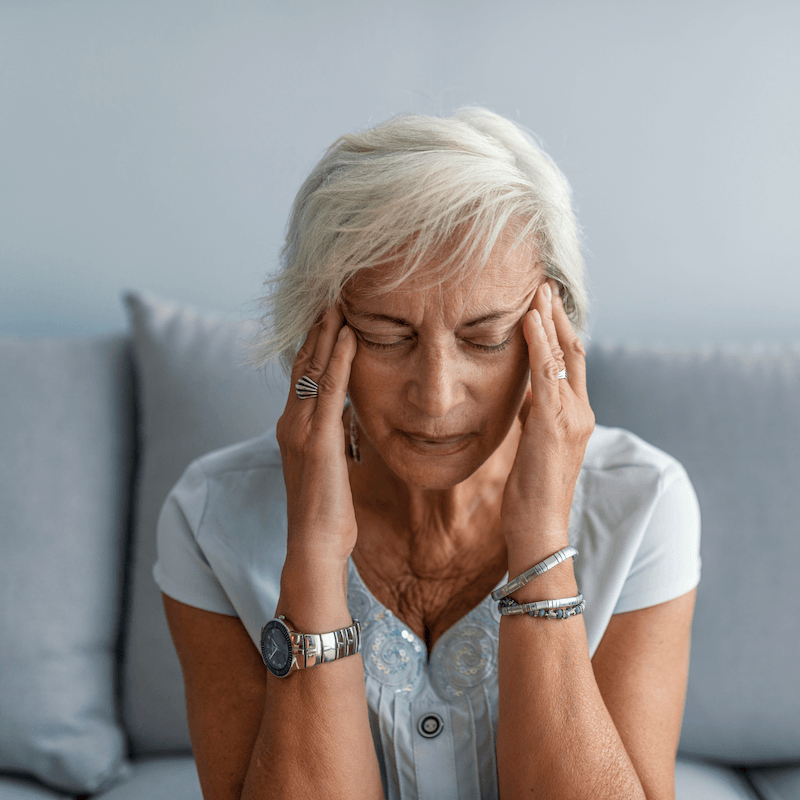
Not all migraine episodes involve throbbing head pain, as a vestibular migraine primarily compromises balance, motion sensitivity, and spatial stability. Our otolaryngology practice evaluates ongoing dizziness episodes to differentiate vestibular migraine from other balance disorders. To find the right migraine treatment, it’s important to recognize the symptoms and communicate them to your doctor.
Differentiating Vestibular Migraine From Classic Migraine Attacks
While vestibular migraine and conventional migraine share an underlying neurovascular origin, their predominant clinical presentations diverge. Regular migraine attacks typically revolve around unilateral, throbbing head pain of moderate to severe intensity that increases with everyday motion. Patients frequently report concurrent symptoms including nausea, heightened light sensitivity, sound intolerance, and classical visual aura.
A vestibular migraine primarily manifests as true vertigo, disequilibrium, balance dysfunction, and severe motion sensitivity. While head pain may coincide with an episode, a headache is not clinically required for each vestibular attack. Episodes routinely cause a false perception of self-motion or room spinning, dynamic head-movement dizziness, and visual sensory overload.
Characteristic vestibular migraine attacks generally endure for durations ranging from five minutes to 72 continuous hours. Symptoms often vary in nature and intensity between separate attacks, obscuring the relationship to migraine compared to straightforward headaches.
Understanding the Biological Mechanisms of Vestibular Migraine
Medical science recognizes that no single underlying disorder functions as the sole cause of vestibular migraine. The condition appears to involve overlapping brain pathways that process migraine pain and vestibular information from the balance system. Individual or hereditary migraine history, paired with lifelong motion sickness, substantially elevates clinical susceptibility.
Documented physiological triggers include:
- Disrupted sleep architecture or chronic sleep deprivation
- Inconsistent meal timing, caloric restriction, or insufficient water intake
- Mental or physical stress, as well as rapid decompression after stressful events
- Estrogen shifts associated with menstruation, pregnancy, or hormone therapies
- High-contrast visual patterns, strobe effects, or glaring light environments
- Extended vehicle travel, dynamic physical movement, or fast smartphone screen scrolling
- Alcohol intake, fermented foods, cured meats, or idiosyncratic dietary sensitivities
- Atmospheric pressure changes, weather fluctuations, or overwhelming sensory stimulation
What Are the Symptoms of Vestibular vs. Regular Migraines?
While recurrent head pain defines typical migraines, the full spectrum of migraine symptoms extends beyond localized discomfort. An individual may endure nausea, vomiting, transient visual aura, extreme fatigue, cognitive impairment, neck stiffness, and sensory hypersensitivity.
Documented manifestations of vestibular migraine include:
- True rotational vertigo or generalized non-rotational vertigo sensations
- Postural disequilibrium, ataxia, or generalized loss of balance
- Vestibular dizziness elicited by vertical or horizontal head motion
- Motion-induced nausea, motion intolerance, and gastrointestinal upset
- Visual-vestibular mismatch when navigating crowded shopping aisles, moving traffic, or patterned visual fields
- Phantom perceptions of physical tilting, floating through space, rhythmic rocking, or being pulled sideways
- Photophobia, sound intolerance, and pronounced optical hypersensitivity
- Sensation of intense cranial pressure, sinus heaviness, or classic throbbing migraine pain
- Temporary sensations of ear canal pressure, fullness, or high-pitched tinnitus
Analyzing episode frequency, duration, and precipitating factors helps differentiate vestibular migraine from competing inner ear pathologies. Sudden dizziness combined with focal weakness, localized numbness, slurred speech, double vision, loss of consciousness, or gait failure necessitates emergency care.
The Coexistence of Vestibular Migraine and Typical Migraine Episodes
Yes, they can. A patient can experience debilitating vertigo and a throbbing migraine headache concurrently in the same episode. Balance issues can emerge prior to head pain, develop concurrently while the headache thrives, persist post-headache, or manifest in solitary attacks. Certain patients experience cyclical shifts, alternating between headache-predominant and vertigo-predominant episodes over extended periods.
A balance-related flare-up does not need to incorporate a headache to stem from underlying migraine pathophysiology. Documenting flare-ups in a symptom diary illuminates subtle patterns that might otherwise be forgotten during doctor visits. Be sure to log the onset and duration of dizziness, headache severity, sensory changes, menses, sleep quality, dietary intake, identified triggers, medications taken, and treatment responses. Having this documented history enables your clinician to formulate a significantly more accurate diagnosis.
How Can a Doctor Diagnose the Cause of Vestibular Migraines?
A definitive diagnosis cannot be established through a single blood draw, MRI scan, or individual vestibular balance test. Diagnosis begins with a detailed description of the episodes and a history of migraine with or without aura. Accepted diagnostic standards mandate documenting at least five moderate to severe vestibular attacks of five minutes to 72 hours duration, with migraine features accompanying at least half.
Our clinical assessment routinely incorporates a complete neurological workup, oculomotor eye-movement testing, otoscopy, audiological evaluation, and vestibular testing. According to your symptom history, our providers may administer a diagnostic audiogram, positional maneuvers, vestibular diagnostic tests, or brain imaging. These evaluations provide the objective data needed to isolate or rule out alternative medical issues causing comparable dizziness. Vestibular migraine is diagnosed only when the pattern fits, and another condition does not better explain the symptoms.
Treatment Strategies: Managing Vestibular Migraines Effectively
Care plans are individualized to match your specific attack frequency, symptom severity, comorbid headaches, general medical background, and medication tolerances. Clinical success typically relies on combining consistent daily prophylactic measures with an emergency protocol for managing acute vestibular episodes.
Our clinical team formulates a personalized care program that can include:
- Maintaining consistent circadian sleep patterns, disciplined meal times, adequate hydration, and regular exercise
- Identification and reduction of consistent personal triggers
- Utilizing behavioral health interventions, relaxation training, or cognitive stress-management techniques
- Prescribing targeted rescue medications for acute nausea, motion sickness, and related distress
- Judicious, short-term utilization of vestibular suppressant medications during debilitating episodes
- Preventive pharmacological agents like beta-blockers, calcium channel blockers, topiramate, targeted antidepressants, or modern migraine therapies
- Targeted vestibular physical therapy to retrain the central balance system and reduce chronic motion sensitivity
Over-reliance on vestibular suppressants is discouraged because frequent administration causes sedation and impedes central neurological adaptation. You should always finalize medication decisions with your prescribing clinician instead of adopting treatment plans prescribed to others. Achieving lasting clinical success may require steady medication adjustments and consistent tracking of episodes over time.
Book Your Vestibular Migraine Consultation
Should frequent vertigo episodes, persistent unsteadiness, or motion intolerance interfere with your life, book an appointment with our specialists. Your appointment involves analyzing your migraine history, medical background, and lifestyle goals, followed by clinical testing to separate vestibular migraine from conditions like BPPV or Ménière’s disease. Connect with our practice today to book an appointment for your vestibular migraine assessment.