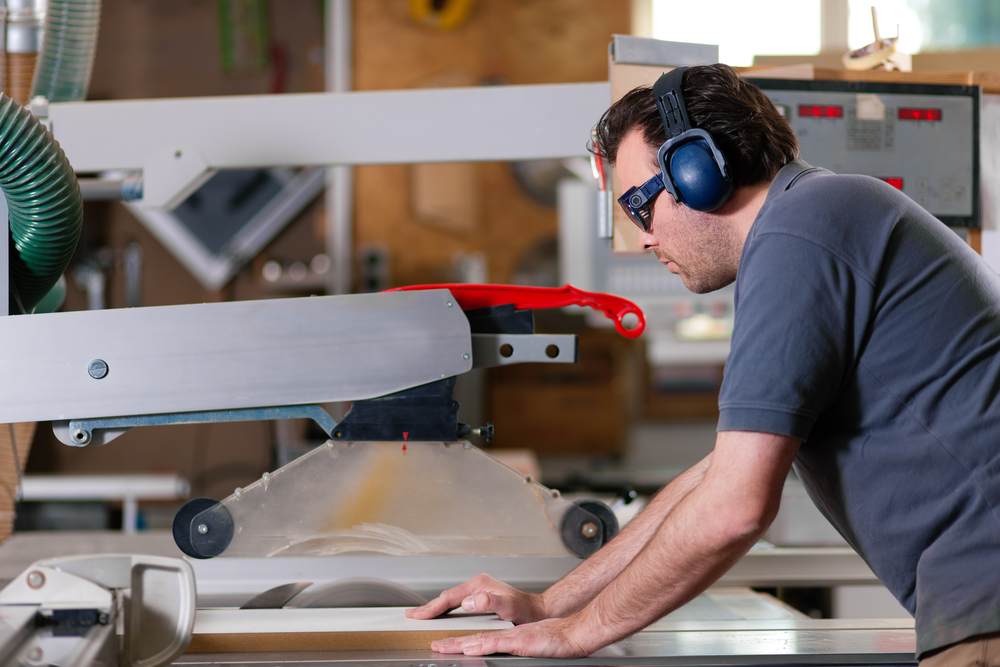
Exposure to noise for extended periods poses a significant risk to your auditory health, especially in environments where the sound intensity exceeds safety thresholds. Ear protection is necessary for both the prevention of hearing damage and for preserving concentration in loud areas. The question then is, how do you figure out the appropriate level of protection needed for your specific requirements?
The importance of knowing noise levels and effects
The impacts of noise exposure aren’t just about loudness but also the length of exposure. dB’s are the central measurement metric for noise, representing the volume of sound. Once noise reaches a level of 85 dB or above, it poses a risk to your hearing, mainly if the exposure is lengthy.
For reference, 85 dB is equivalent to the noise level of city traffic experienced from inside a car. Though this volume might not appear excessive, spending eight hours in it non-stop can cause hearing impairment. The safe period of exposure becomes shorter when the sound is louder:
- Exposure to 90 dB (the sound of a Lawnmower) for more than 4 hours may be damaging.
- 100 dB (Power tools): Limit exposure to 1 hour or less.
- Damage is possible after only 15 minutes at the 110 dB level (Leaf blower).
- 120 dB (Rock concert): Any exposure at this level can damage your hearing.
- Immediate pain and damage are possible at 140 dB (Jet engine).
Identifying unsafe noise levels
When you are routinely around noise at 85 dB or higher, hearing protection becomes an absolute requirement. This is particularly true in workplaces like construction sites, factories, or any environment where equipment, devices, or gear produce too much noise.
Hearing protection is also valuable outside of the workplace; activities like attending music shows, operating leaf blowers, or participating in shooting sports can subject you to hazardous sound levels.
Choosing protection based on Noise Reduction Ratings (NRR)
The effectiveness of hearing protection is evaluated by its Noise Reduction Rating (the NRR). This rating shows how much sound the unit can attenuate, expressed in decibels. The larger the NRR, the greater the protection against noise. An instance is a pair of earplugs with a 30 dB NRR, which could lower an 85 dB sound to 55 dB, thereby keeping you securely within the bounds of safe exposure.
When deciding on your protection, you should think about the actual noise intensity you are exposed to and ensure the device provides the required blockage to keep the volume below 85 dB.
Why comfort is crucial for wearing hearing protection constantly
The NRR is undoubtedly important, but comfort is an equally significant component in achieving steady, sustained use. If hearing protection feels ill-fitting or cumbersome, you may be likely to remove it—leaving your ears vulnerable to hazardous noise.
Comfortable hearing protection supports consistent use, minimizing the threat of occasional exposure. To illustrate, bulky or uncomfortable earmuffs may be removed by the wearer occasionally, subjecting their ears to damaging sound levels.
Exploring the different types of ear protection
Different forms of hearing protection exist, and each one features unique advantages and cons:
- Inserted into the ear canal, Foam Earplugs provide superb noise reduction. They are disposable and light, yet some individuals may find them uncomfortable.
- Resting right outside the ear canal, Pre-Molded Earplugs are reusable and thus a more eco-friendly choice. They are simpler to take out and put in than their foam counterparts.
- Earmuffs enclose the ear completely; they are best for varying noise environments because of their ease of removal and donning. A common disadvantage is that they can feel warm or heavy with continuous wear.
The optimal choice of protection is guided by your individual comfort and the specific requirements of your environment. By way of example, a construction worker might choose earmuffs for their simplicity, while someone working in a factory may select earplugs for uninterrupted use.
Ensuring steady use
The best hearing protection is always the device that you steadily keep in place. Removing the protection for even a short time of minutes can result in long-term damage to your hearing. For this purpose, finding a solution that balances protection, comfort, and convenience is vital.
Taking steps for permanent hearing protection
While noise is always present in our daily lives, using the appropriate hearing protection enables you to safeguard your ears and continue to appreciate the sounds of the world.
Contact us now to discuss your potential for hearing loss from noise and the best ways to safeguard your hearing.